


Pest Identification: Indian Meal Moths
The Indian meal moth is one of the more common moths infesting stored grains and grain products. The larval stage causes the damage and contaminates our food. Larvae feed on flour and meal products, dried fruits, cereals, nuts, bird food, and dried pet foods. As the larva feeds it spins a web, leaving behind a silken thread wherever it crawls. The larvae can chew through the plastic packaging you would find cereal and other products in so it is important to check new products when an infestation is discovered.
Many times an infestation is noticed when moths are seen flying around the home in the evening. They are attracted to lights and often appear in front of the television screen, near nightlights or around large windows.
In many cases a thorough clean-up will control these insects. The use of a pheromone sticky trap can help to catch flying male moths and reduce the numbers of adult moths and slow the breeding. In difficult cases that have gone unnoticed, pesticides may be necessary.
1. Carefully inspect any susceptible foods that might have been exposed to the insect or to infested material. Pay particular attention to birdseed, dog, cat, and other pet foods. These materials are frequently the source of an infestation. Insects may be found in food packaged in cardboard, plastic bags and paper-wrapped products which have not been opened. Destroy all infested packages and materials. If the source is not found in the kitchen or pantry, check closets, drawers, and areas where decorative items made from nuts, corn and various grains and seeds. There is no satisfactory method to separate the insects from flour or meal.
2. Remove all food containers and utensils from the infested area and clean all the shelf and counter surfaces thoroughly, first with a vacuum cleaner and then with water and soap. Pay particular attention to cracks and corners where bits of food (flour, dust, spices) may have accumulated.
3. Whenever possible, construct storage units so they are tight and so they can be cleaned easily. Keep storage units dry, because dryness discourages the development of pantry pests.
4. Make it a point to go through your food pantry at least once per year to inspect for moth activity and check expiration dates.
Long term storage of flour and meal products often leads to infestation; therefore, such products should be purchased in smaller quantities or kept in the refrigerator.

Buzzwords

Safer Pest Protection: Yard Sprays vs. Flea Collars for Your Dog
Your dog deserves to play safely outdoors, without the threat of pests or harsh chemicals. But between flea collars, topical treatments, and yard sprays, pest control can feel overwhelming, especially if you’re trying to do the right thing for your dog and your...
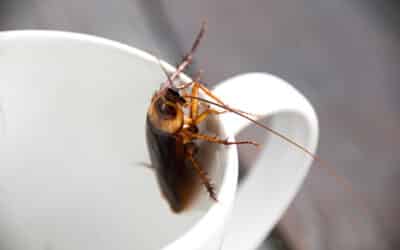
Why Cockroaches Are So Hard to Eliminate: And What Actually Works
300 million years. That’s how long cockroaches have been crawling the planet. They’ve survived shifting climates, mass extinctions, and even the dinosaurs. So it’s no surprise they can be tough to get out of a home. But what makes these pests so resilient? And what...

Planning a Winter Getaway? How to Avoid Bringing Bed Bugs Home
Holiday and winter travel is supposed to bring back memories, not pests. But between packed suitcases, busy schedules, and hopping from hotels to rentals to spare rooms, it’s surprisingly easy to bring home an unwanted souvenir: bed bugs. Before you cringe, take a...