


Pest Identification: House Fly
House flies are distinguishable by four dark stripes on their thorax, with sizes ranging between 1/8 and 1/4 of an inch. They possess specialized mouthparts designed for absorbing liquids, as they cannot consume solid food in its original form. To feed on solids, they first deposit regurgitated saliva, transforming the solid into a liquid form for ingestion. This feeding mechanism requires them to intake water frequently to compensate for their constant salivation and liquid waste excretion, evidenced by the specks often found on surfaces.
House fly reproduction involves laying eggs in decaying organic materials, with a preference for horse manure. A single female can lay between 100 and 150 eggs, which hatch more rapidly in higher temperatures. The emerging larvae, or maggots, experience three stages of molting before transitioning into adulthood through pupation. Adults mate shortly after their emergence, completing their life cycle from egg to adult in as little as one week, though three weeks is typical. Adult house flies have a lifespan of up to 2.5 weeks during summer, potentially extending to three months in cooler conditions. Although they usually stay within a half to two miles from their origin, they can venture up to 20 miles in search of food and breeding sites.
Noteworthy aspects of house flies include their liquid diet, the ability to taste with their feet, a propensity for frequent defecation, and a risk of spreading harmful bacteria such as Salmonella and E. coli. Their climbing prowess is facilitated by sticky foot pads, and their compound eyes offer a nearly 360-degree field of vision, enhancing their survival through quick reactions and specialized vision for males in pursuing potential mates. Despite their brief lifespan, house flies are prolific breeders, capable of laying up to 500 eggs in their lifetime, underscoring the potential for rapid population growth.
Regarding pest control, house flies are often indicative of poor sanitation. Effective management requires identifying and eliminating breeding sources. It is essential to prevent the accumulation of potential breeding materials such as manure, garbage, and other decaying organic matter. Maintaining cleanliness and securing trash cans with tight lids can significantly reduce fly populations. Care should be taken when cleaning trash receptacles to avoid contaminating soil with organic matter, which can serve as a breeding ground. For severe infestations, it may be necessary to dry out or securely dispose of maggot-infested garbage to prevent further breeding, emphasizing the importance of sanitation in controlling house fly populations.

Buzzwords

Safer Pest Protection: Yard Sprays vs. Flea Collars for Your Dog
Your dog deserves to play safely outdoors, without the threat of pests or harsh chemicals. But between flea collars, topical treatments, and yard sprays, pest control can feel overwhelming, especially if you’re trying to do the right thing for your dog and your...
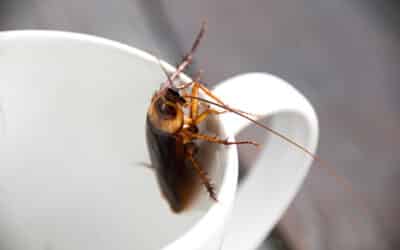
Why Cockroaches Are So Hard to Eliminate: And What Actually Works
300 million years. That’s how long cockroaches have been crawling the planet. They’ve survived shifting climates, mass extinctions, and even the dinosaurs. So it’s no surprise they can be tough to get out of a home. But what makes these pests so resilient? And what...

Planning a Winter Getaway? How to Avoid Bringing Bed Bugs Home
Holiday and winter travel is supposed to bring back memories, not pests. But between packed suitcases, busy schedules, and hopping from hotels to rentals to spare rooms, it’s surprisingly easy to bring home an unwanted souvenir: bed bugs. Before you cringe, take a...