


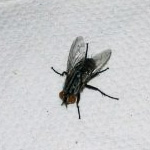
Pest Identification: Pest ID: Cluster Flies
The eggs are laid in the soil and hatch in three days. The newly emerged larvae (maggot) will penetrate earthworms and feed for 13-22 days and then pupate. The pupae stage is 11-14 days before adulthood. Control of these insects begins with preventing entry by interior caulking and physical barriers such as insect screening. Insect light traps can help control and catch the adults. Rarely is professional spraying necessary as these insects do not live very long indoors. This is a pest problem you can anticipate each year, however with the proper procedures mentioned above alleviation is possible.
Cluster Flies are considered an Occasional Invader, the best time to treat for them is early Fall (mid-August to early September) with our Fall Invader Program. Once they get in, they are in. Please call Ford's Hometown Services for a quote at 800-649-9992.
Buzzwords

Safer Pest Protection: Yard Sprays vs. Flea Collars for Your Dog
Your dog deserves to play safely outdoors, without the threat of pests or harsh chemicals. But between flea collars, topical treatments, and yard sprays, pest control can feel overwhelming, especially if you’re trying to do the right thing for your dog and your...
Why Cockroaches Are So Hard to Eliminate: And What Actually Works
300 million years. That’s how long cockroaches have been crawling the planet. They’ve survived shifting climates, mass extinctions, and even the dinosaurs. So it’s no surprise they can be tough to get out of a home. But what makes these pests so resilient? And what...

Planning a Winter Getaway? How to Avoid Bringing Bed Bugs Home
Holiday and winter travel is supposed to bring back memories, not pests. But between packed suitcases, busy schedules, and hopping from hotels to rentals to spare rooms, it’s surprisingly easy to bring home an unwanted souvenir: bed bugs. Before you cringe, take a...