


Pest Identification: Silverfish
Silverfish, named for their silvery color and fish-like shape and movements, are found throughout the U.S., particularly in moist, humid areas of homes like bathrooms, basements, and attics. They are also called bristletails due to their three long, bristle-like appendages at their rear. These insects are secretive, often causing unnoticed damage.
Adult silverfish are about ½-3/4 inch long, excluding the tail, with a teardrop, carrot, or fish-like body shape. They have flattened bodies, scales, threadlike antennas, and small, widely separated compound eyes. Immature silverfish resemble adults but are smaller and develop scales after a few molts.
Silverfish are wingless but fast runners and good climbers, surviving for weeks without food or water in high humidity environments (70-90%). They are nocturnal, hiding in tight spaces during the day. Females lay 1-3 eggs daily in hidden spots, with development taking 3-4 months in ideal conditions (72-90°F, 50-75% humidity) or up to 2-3 years otherwise. They can live up to three years.
Their diet includes paper, glue, clothing, and food items like flour and oats, preferring proteins over carbohydrates. They are also cannibalistic. Silverfish are found throughout homes, including living rooms and bedrooms, and thrive in room temperatures (70-85°F). They breed in various areas, like wall voids and attics, and are also common in commercial buildings.
Signs of infestation include feeding marks, yellow stains, scales, and feces on damaged materials. While silverfish don't pose a physical threat to humans, they can damage property, especially paper-based items. They can squeeze through tiny gaps, jump 2 feet vertically, and climb most surfaces except smooth, shiny ones.
Silverfish have a lifespan of 3-6 years, longer than most insects. They continue molting throughout adulthood, leaving behind thin, metallic silver exoskeletons that indicate infestation. These ancient insects have existed for over 400 million years. Their mating process is unique, involving a chase dance and prolific egg-laying, leading to rapid infestations.

Buzzwords

Safer Pest Protection: Yard Sprays vs. Flea Collars for Your Dog
Your dog deserves to play safely outdoors, without the threat of pests or harsh chemicals. But between flea collars, topical treatments, and yard sprays, pest control can feel overwhelming, especially if you’re trying to do the right thing for your dog and your...
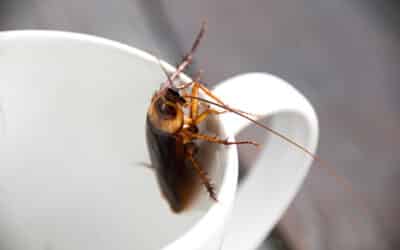
Why Cockroaches Are So Hard to Eliminate: And What Actually Works
300 million years. That’s how long cockroaches have been crawling the planet. They’ve survived shifting climates, mass extinctions, and even the dinosaurs. So it’s no surprise they can be tough to get out of a home. But what makes these pests so resilient? And what...

Planning a Winter Getaway? How to Avoid Bringing Bed Bugs Home
Holiday and winter travel is supposed to bring back memories, not pests. But between packed suitcases, busy schedules, and hopping from hotels to rentals to spare rooms, it’s surprisingly easy to bring home an unwanted souvenir: bed bugs. Before you cringe, take a...