


Pest Identification: PEST ID: Groundhogs (Woodchuck)
Groundhogs, also known as woodchucks, are large rodents primarily known for their burrowing habits and the damage they cause. They are found mostly in the central and eastern United States, parts of Alaska, and Canada. Groundhogs prefer areas where forests or woodlands meet open, well-vegetated fields and meadows. Their burrows, dug in dry, well-drained soil, are complex and often located near cover like fencerows and structures.
Diet-wise, groundhogs are omnivores with a preference for plants. They consume various plants, including garden favorites like alfalfa, clover, peas, beans, lettuce, and broccoli, as well as seedlings, twigs, bark, blossoms, grubs, insects, and snails. Apples, carrot tops, dandelions, and garden veggies are among their favorite foods.
Groundhogs are diurnal, active mostly during early morning and evening in spring to fall. They are true hibernators, experiencing a significant drop in body temperature and heart rate during hibernation. Mating occurs in early spring after hibernation, with mothers giving birth to 2-4 kits who stay with her for about two months.
These rodents are mostly solitary except during mating, and they communicate with shrills to warn each other of threats. Their burrows are complex with multiple chambers, including a separate “bathroom” area.
Groundhog burrowing can seriously damage agriculture and residential areas. Signs of groundhog damage include teeth marks on wood and plants, soil mounds near burrow entrances, deep holes, damaged crops, weakened building foundations, chewed tubing or wires, and distinctive tracks.
Some interesting facts about groundhogs include their status as the largest species in the squirrel family, their abilities as skilled climbers and swimmers, and their role in uncovering a historic village in Ohio, now a notable archaeological site. They are also referred to as whistle-pigs and land-beavers.
If you think you might have a problem with Groundhogs, please contact the licensed PAC experts at Ford’s Hometown Services who use professional-grade groundhog control solutions and traps for groundhog removal.
Remember that by law, you cannot trap, remove or relocate a wild animal from your property to another. It requires skilled assistance from license PAC (Problem Animal Control) professionals.

Buzzwords

Safer Pest Protection: Yard Sprays vs. Flea Collars for Your Dog
Your dog deserves to play safely outdoors, without the threat of pests or harsh chemicals. But between flea collars, topical treatments, and yard sprays, pest control can feel overwhelming, especially if you’re trying to do the right thing for your dog and your...
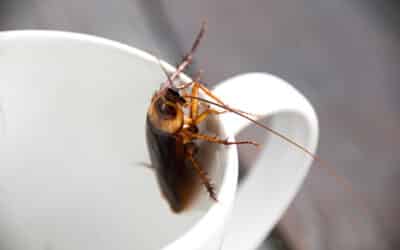
Why Cockroaches Are So Hard to Eliminate: And What Actually Works
300 million years. That’s how long cockroaches have been crawling the planet. They’ve survived shifting climates, mass extinctions, and even the dinosaurs. So it’s no surprise they can be tough to get out of a home. But what makes these pests so resilient? And what...
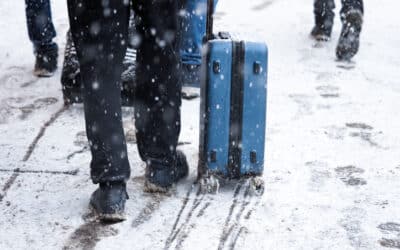
Planning a Winter Getaway? How to Avoid Bringing Bed Bugs Home
Holiday and winter travel is supposed to bring back memories, not pests. But between packed suitcases, busy schedules, and hopping from hotels to rentals to spare rooms, it’s surprisingly easy to bring home an unwanted souvenir: bed bugs. Before you cringe, take a...