
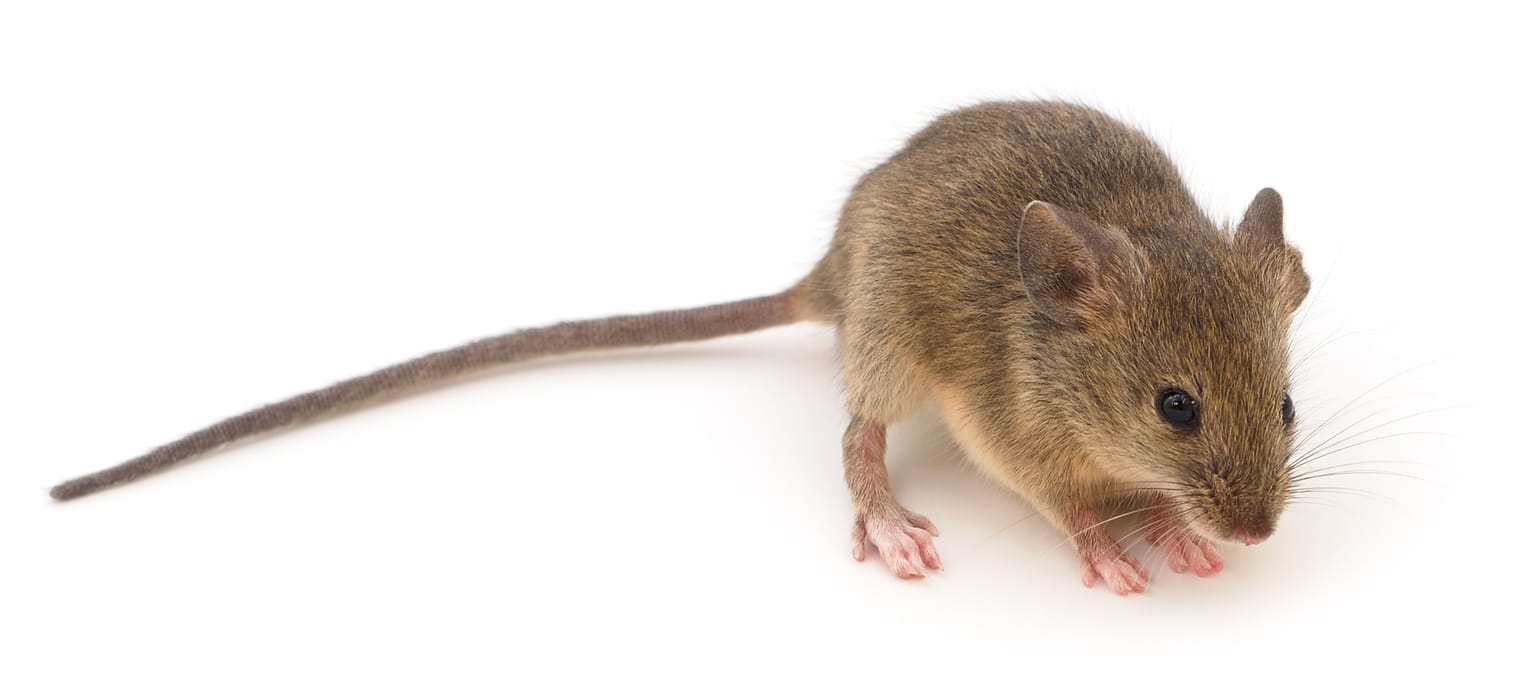
If you’ve ever wondered if it’s normal to have mice, you’re not alone. Many homeowners feel embarrassed asking rodent questions, especially when their home is clean and well cared for. The truth is, most homeowners will deal with rodents at some point.
Below, the experts at Ford’s Hometown Services answer the most common rodent questions we hear from homeowners across Massachusetts.
The 8 Most Common Rodent Questions from Homeowners
When it comes to mice and rats, our experienced technicians have heard it all and seen it all. So if you’ve been wondering what is normal, what is not, and when you need to take action, this roundup is for you.
1. How do I know if I have a rodent problem?
Rodents are often active at night, while the house is quiet and everyone is asleep. So many homeowners do not notice a problem right away. Some common signs of activity include:
- Droppings in cabinets and drawers
- Scratching or scurrying sounds in walls or ceilings
- Gnaw marks on food packaging
- Nesting materials such as shredded paper
If you see a mouse or rat during the daytime, it can be a warning sign of a larger infestation, since they usually stay hidden when populations are small.
2. How dangerous are rodents to my family?
Rodents can pose serious risks, especially if left untreated. Mice and rats can:
- Spread bacteria and disease
- Contaminate food
- Trigger allergies and asthma
- Damage insulation and wiring, increase fire risk
Acting fast helps protect both your house and your family’s health.
3. How often do mice reproduce?
Very quickly. A single mouse can produce dozens of offspring in a year and become pregnant again right after giving birth. Baby mice can reproduce in under 6 weeks. This is why seeing even just one mouse shouldn’t be ignored.
4. Does having mice mean my house is dirty?
This is one of the top concerns we hear. And the answer is a resounding “no!”
Mice are not a sign of poor housekeeping. They enter homes looking for warmth and shelter, not because a home is messy. Even spotless homes can have mice if entry points exist.
5. Will mice go away on their own?
Once they find food and shelter, mice rarely leave on their own. Without proper removal and exclusion, the problem usually only gets worse with time.
6. How are mice getting into my house?
Mice are sneaky. And they only need a tiny opening to find their way in. Here are three of the top places we see mice sneaking into homes:
- Cracks in the foundation
- Openings around pipes, especially dryer vents
- Spaces under garage doors
7. Do mouse traps and DIY rodent control methods work?
Traps may catch individual rodents, but they rarely solve the real problem. Rodents reproduce quickly, and often nest in hidden areas inside walls. Without professional entry-point exclusion and targeted treatment, infestations often continue or return.
8. When should I call a professional exterminator?
If you notice repeated signs of activity or have tried DIY control and still see activity, it’s time to call a professional. Early intervention can prevent a small issue from turning into a big one.
Ford’s Hometown Services provides expert rodent control services throughout Massachusetts and the surrounding New England area. Our licensed technicians are experts at residential pest control and focus on removal, identifying entry points, and can even provide year-round prevention services to keep rodents from returning.

Take Control of Rodent Problems Early
Rodent problems are common, especially in Massachusetts. Understanding what to look for and when to act helps you stay ahead of the issue and protect your home.
If you suspect mice or notice rodent activity in your home, call (508) 459-3694 or get a quote online. Ford’s Hometown Services is here to help.