
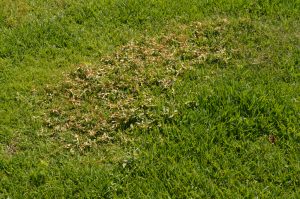
 Crabgrass is a very common and very unattractive annual plant. An annual plant is a plant that begins as a seed and dies in the same year. Crabgrass plants can be identified by their wide leaf blades and the darker color. These two key identifiers make crabgrass easy to identify, but quite an eyesore. A fully matured crabgrass plant will form a clump at the base, and will grow faster than the lawn, making it very noticeable.
What is Crabgrass?
In the spring, crabgrass will germinate when the soil temperatures (not air temperatures) reach 56 degrees for 3 consecutive days. The plant will mature throughout the season, and reproduce seeds for next year’s germination. The plant will start to get a brownish color as it dies off in the fall once the cooler weather comes. Each plant is known to produce over 150,000 seeds.
Crabgrass is very common along walkways, driveways, and other hot spots such as sandy soils or bare/exposed soils where soil temperatures increase quickly. Also, slow growing turf grasses from poor cultural practices, such as inadequate watering and low mowing, will allow crabgrass and many other seeds to germinate with ease.
How can Ford’s help you?
Your lawn will benefit from this important fertilization that our first Lawn Care application provides. Typically in Massachusetts, crabgrass will begin to germinate by the first week of May. Each day after that initial germination reduces our ability to gain control of the infestation. If this service is performed before the crabgrass does germinate, we will continue our efforts throughout the season with a post emergent herbicide spot spray to reduce the number of plants. Post emergent sprays can take up to 14 days before seeing results.
Late applications, after the plant has matured, will give you limited control due to the resilience of the plant. In this situation, you must expect crabgrass during this season. In the coming year, we will be able to control 85% of the crabgrass. Each year after that, the control will get increasingly better as we are able to rid your lawn of the matured plants that produce the seeds.
To learn more about our professional crabgrass treatment, contact the crabgrass control specialists here at Ford’s.