



Worcester Pest Identification: Chinch Bugs
These turfgrass pests can do extensive damage to your yard quickly. Chinch bugs have piercing parts in their mouths that attack and suck grass stems and crowns dry, making your yard look like it suffers from severe drought damage. Their devastation does not stop there. They also release a toxin into the grass blade that prevents the plant from conducting water, causing it to yellow and wilt even after the bug has left the area. Chinch bugs can quickly kill entire patches of your lawn, if not your entire yard. Drought or other yard stresses can make the damage worse.
Appearance & Behavior of Chinch Bugs
There are two main types of chinch bugs, the hairy chinch bug and the southern chinch bug. The hairy chinch bug attacks turfgrasses growing in northern states and is the chinch bug most common to New England.
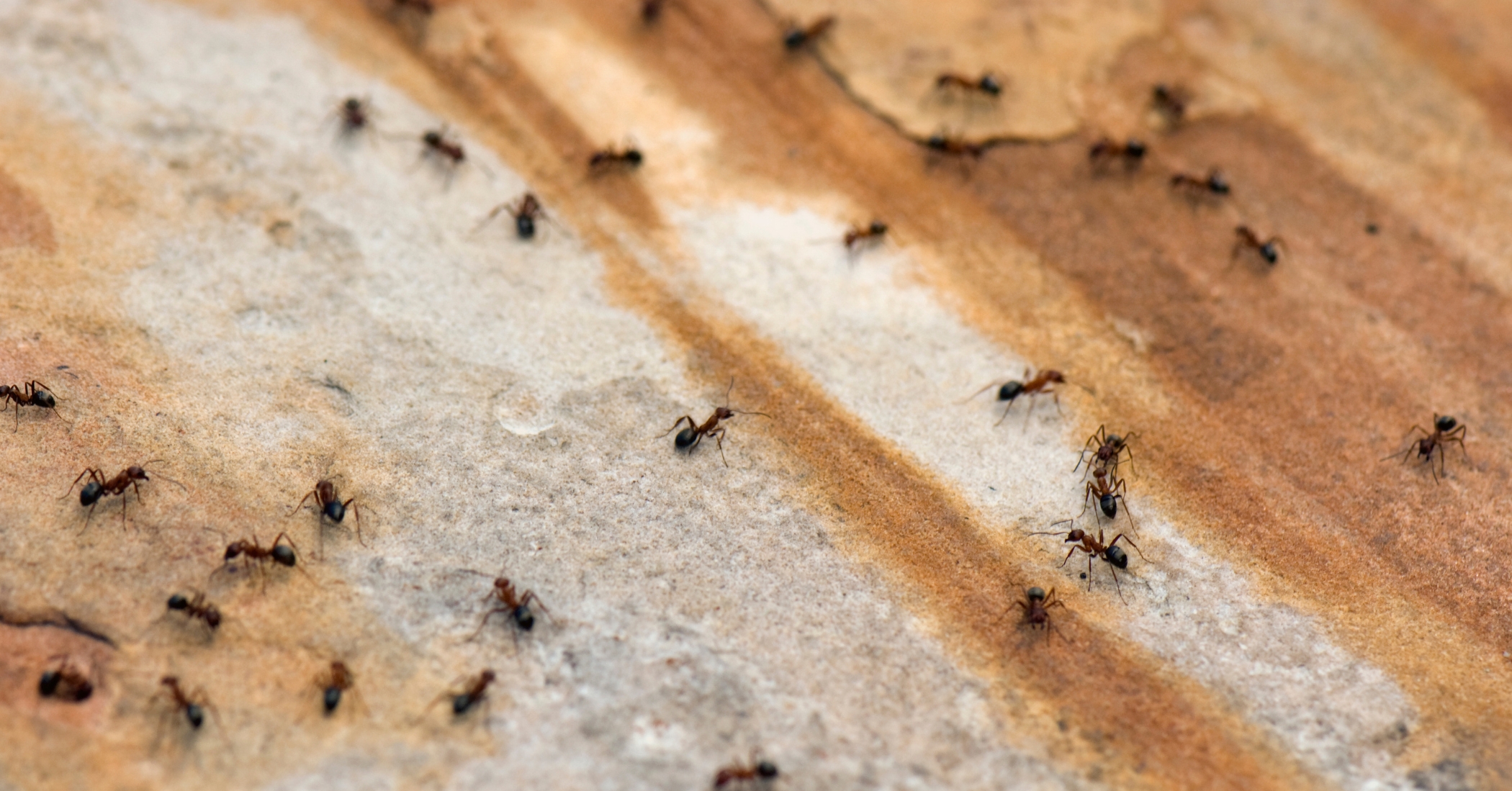
Adult chinch bugs have black bodies, reddish legs, and distinctive white triangle patterns on their wings when folded. They range from ⅛ to ⅙ inch in length. Chinch bugs overwinter as adults in protected areas, such as thatch, tall grass, or plant debris, and begin laying eggs in the spring.
Females deposit between 300 to 500 eggs on roots, lower leaves, and stems. Pink or red nymphs emerge from the eggs anywhere from seven days to 30 days, depending on the temperature. In some years, up to five generations may develop in one year. Once they hatch, they immediately begin to suck the plant's sap. Recently hatched chinch bugs grow rapidly and molt five times before they mature. Their color darkens as they mature.
Chinch bugs are commonly found in the sunny parts of a yard. They move from lawn to lawn by walking and can even be seen crossing sidewalks or driveways on sunny, warm afternoons.
What To Do If You Suspect Cinch Bugs
If your grass is suffering and you are not sure why, call the professionals at Ford's Hometown Services at (774) 418-4908. Our team can quickly assess if your yard has a chinch bug infestation and create a plan for control and prevention.
Central Mass Trusts Us. See Why.
-
D"He explained everything that he was doing and effectively answered our questions."David Reno
-
J"He was professional and on time."James Ramsey
-
D"They provided me and my family with another visit on the rodent protection program that I have each year."Donna Pina
-
A"I'm pleased to say it is 2/28/26, and not a peep of a mouse has been heard all winter!"April L
-
K"Zack was professional and explained what he was doing and what I could expect."K M
-
K"Zack was professional and explained what he was doing and what I could expect."K M
-
J"I've used Fords Hometown Services a few times for carpenter Ants and I have always been impressed with the results. They are the Gold standard in pest control!"Josh R.
-
M"Ford Hometown Services helped me out when I really needed it."Mary Parker
-
M"Ford Hometown Services helped me out when I really needed it."Mary Parker
Stay Ahead of Pests
Explore tips, local advice, and real answers from our Worcester team to help you protect your home, family, and property all year long.