

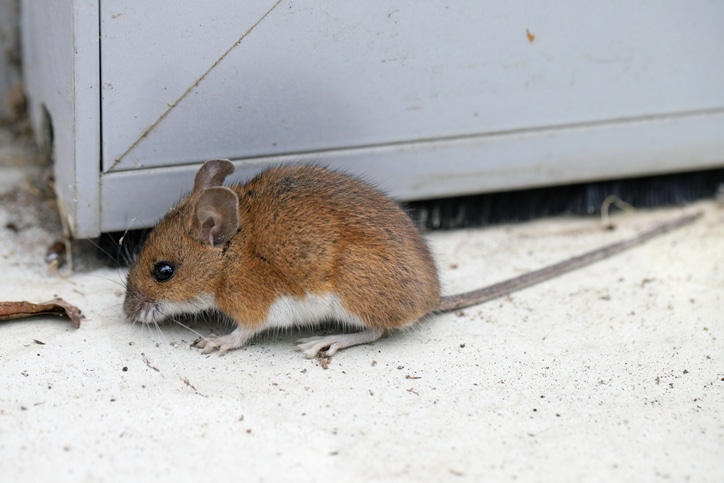
When winter moves into Massachusetts, we bundle up and settle in. Mice do the same, and they often choose your home as their shelter.
If you’ve spotted a mouse in your kitchen or heard scratching in the walls this winter, you’re not alone. Cold New England winters drive mice indoors in search of warmth, food, and protection. Understanding how mice survive harsh winters can help you prevent them from turning your home into theirs.
How Mice Survive Freezing Temperatures
Massachusetts winters can be brutal. With temperatures frequently below freezing in December, January, and February, it’s hard for anything that lives outdoors to survive. So how do mice do it?
Surprisingly, the snow actually helps them.
Snow Acts Like a Blanket for Mice
Fresh snowfall creates an insulated layer over the ground. Beneath it, mice tunnel through protected pathways known as subnivean zones. These insulated pockets of air maintain a steady 32°F, even when the air above is much colder.
These tunnels shield mice (and other pests like moles) from extreme cold and predators, allowing them to travel safely between food sources and structures. Unfortunately, sometimes those tunnels lead straight to homes.
Even a gap as small as a dime is enough space for a mouse to squeeze through.
Think about your garage door or utility openings. Are they completely secure? It’s surprising how many ways mice can sneak into your home.
Other Ways Mice Survive The Cold
Beyond tunneling under snow, mice rely on several other survival strategies:
Huddling: Mice gather in groups to share body heat.
Food Caching: In the fall, they store food inside walls and hidden spaces.
Insulated Nesting: They build softball-sized nests using insulation, paper, and fabric.
Warm Spells Trigger Indoor Mice Sightings
Massachusetts weather is rarely consistent. And while you might be enjoying a winter thaw or mild stretch, so are mice.
Fluctuating temperatures cause mice to move more frequently in search of food and nesting materials. This is often when homeowners suddenly see a mouse dart across the floor or notice fresh droppings.
If left unaddressed, they can remain in your home until spring, or longer.
That’s why spotting one is a signal to act. But eliminating them is easier said than done for most homeowners. DIY methods often fall short because mice are clever and reproduce quickly. That’s why professional inspection and exclusion are often the most effective long-term solutions.
When It Comes to Mice, Early Prevention Matters
Winter mouse problems rarely solve themselves. Once winter sets in, sealing up gaps becomes much more difficult.
According to the CDC, rodents can contaminate food and surfaces and may spread bacteria. And beyond health concerns, mice can also chew your electrical wires, damage insulation, and ruin stored belongings.
For homeowners, especially those who want to keep their homes safe and comfortable, prevention is key. The most effective way to stop winter infestations is to:
- Seal entry points before cold weather sets in
- Repair foundation cracks and gaps
- Install proper door sweeps
- Reduce clutter in storage areas
- Store food in air-tight containers
- Consider professional pest protection
Working with licensed pest control experts like Ford’s Hometown Services provides year-round protection, so you can rest easy, even as mice are tunneling toward your home.

Protect Your Massachusetts Home This Winter
Massachusetts winters aren’t going anywhere. And neither are mice. But with a few proactive steps, your home doesn’t have to become their winter refuge. If you suspect activity or want help identifying vulnerable areas, call the team at Ford’s Hometown Services at (508) 459-3694 or get a quote online to protect your home and family.