

Worcester Pest Identification: Clothes Moths
Identify & Control Clothes Moth Infestations Effectively Serving Central Massachusetts
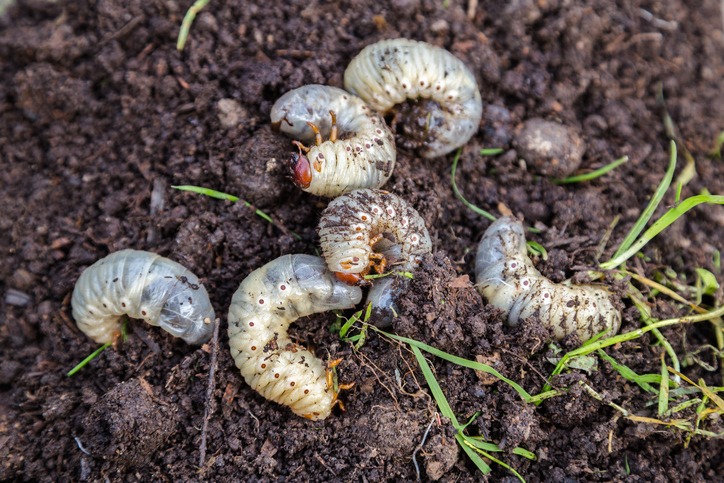
The webbing clothes moth adults are about 7–8 mm in length when the wings are folded back over the body. The wings are a golden buff color with a fringe of long hairs on the margins. The head has a tuft of reddish hairs. Mature larvae are 12–13 mm long and feed on woolens beneath a constructed blanket of silk, feces, and pieces of the food source. The bodies are white or cream with a brown head capsule. It is common to find the larvae feeding under cuffs, collars, and other hidden parts of clothing.
The casemaking clothes moth adults are similar in size and shape to the webbing clothes moth, although the top of the head has no tuft of reddish hairs. The larvae are 10–12 mm long and are colored similarly to the webbing clothes moth larvae. Unlike the webbing clothes moth larvae, the casemaking clothes moths construct a tube or bag that they occupy and carry with them. This tube, made of silk and pieces of wool, may be very difficult to see because it is the same color as the item being eaten. Depending on temperature and humidity, total developmental time (from egg to adult) varies from one to three months and can extend up to three or more years in some situations.
Males and females from both species shun light and are frequently overlooked by homeowners. When discovered, the adults are more likely to try to escape by running rapidly than by flying.
Proper diagnosis of the pest is the first step in gaining control. Woolens damaged by the clothes moth exhibit furrows in the surface, which is caused by the larvae’s habit of “grazing.” Occasionally, and during heavy infestations, the woolens will have holes. The webbing clothes moth will feed on hair, wool, fur, feathers, and similar animal products. Synthetics, cottons, and other plant materials are not attacked by the webbing clothes moth larvae unless these items are stained with food or body oils. The casemaking clothes moths will attack any of the following: felts; dried carcasses or taxidermy mounts; wool clothing, carpets, or tapestries; feathers; furs; and plant-derived materials such as dried herbs, tobacco, tea, hemp, pharmaceuticals, and seeds and seed products.
If infested, clothing, blankets, and tapestries should be laundered or dry cleaned. Small carpets and throw rugs can be beaten and brushed while hanging from an outside line to remove most, if not all, eggs and larvae. Large area rugs and carpets should be treated by a professional pest management company. Ford's Hometown Services prefers to give an on-site estimate for clothes moth jobs.
Moths are attracted to soiled fabric, so launder or dry clean clothing before placing it in extended storage. Laundering in hot water also kills moth eggs and larvae.
Regularly and thoroughly vacuum the closet and surrounding areas. Moths like dark places such as corners, baseboards, edges of carpets, under furniture, etc. If there are signs of infestation, discard vacuum bags outside, away from the home.
Store susceptible clothing (wool, silk, fur, and other animal fibers) in airtight boxes or bags. Make sure there are no holes and seal with packing tape for extra insurance.
Cedar repels moths if it has a strong enough odor. Look for it in the form of blocks, balls, hangers, or boxes and sand it with sandpaper every few months to revive the scent.
Central Mass Trusts Us. See Why.
-
J"I've used Fords Hometown Services a few times for carpenter Ants and I have always been impressed with the results. They are the Gold standard in pest control!"Josh R.
-
K"Easy to schedule, showed up on time, and provided report immediately. The technician, Bob was knowledgeable and polite. Highly recommend Ford Hometown Services."Kerstin B.
-
S"Was expecting Ben, was sent Dean and was pleasantly surprised because he is a really personable guy and did an excellent job! Very satisfied with the thorough job he did, and his attention to detail. Look forward to having either him or Ben in the future."Stephanie D.
-
D"Ford’s Hometown Services has done an awesome job with my lawn. The team is professional, reliable and the results speak for themselves. My yard had never looked better. Highly recommended!"Denise M.
-
L"Dean was wonderful! He explained everything as we walked around, showed me what he was looking for. Was prompt, thorough and efficient!"Lori A.
-
J"The Ford's Hometown team texted me with their estimated arrival, arrived on time, quickly addressed the areas I requested and very pleasant during whole service time."Janie Q.
-
C"I cannot express my appreciation enough for Jeremy and Zack! I called about a hornet nest in the wall while my husband was in the emergency room for an allergic reaction to a sting he received while trying to deal with the situation. Jeremy gave me the earliest possible appointment two days out with the promise of a call if someone could squeeze us in sooner. Enter Zack. He came 2 1/2 hours later and dealt with the nest, putting us all at ease. Thank you, thank you, thank you! The BEST customer service."Clare
-
M"Zak & Bob Ford did an excellent job with the foundation termite treatment. They performed the work on a timely basis. They were very careful with the landscape around the foundation and all holes that were drilled in the driveway and concrete structures were carefully repaired. They were highly informative and professional, and took the time to answer all my questions. I would highly recommend Fords Hometown Services."Mike M.
-
M"My fall treatment was done yesterday by Justin. He is a young technician with one year of solid experience. We worked together to locate and check all the bait boxes for mice. Afterwards, Justin treated the exterior of the house. It is no surprise that continued treatments has almost eliminate all prior pest problem such as mice and hornets, I am very satisfied with my treatment service. It was a pleasure working with Justin, who is not only capable and knowledgeable but also friendly and willing to learn."M B.
Stay Ahead of Pests
Explore tips, local advice, and real answers from our Worcester team to help you protect your home, family, and property all year long.