


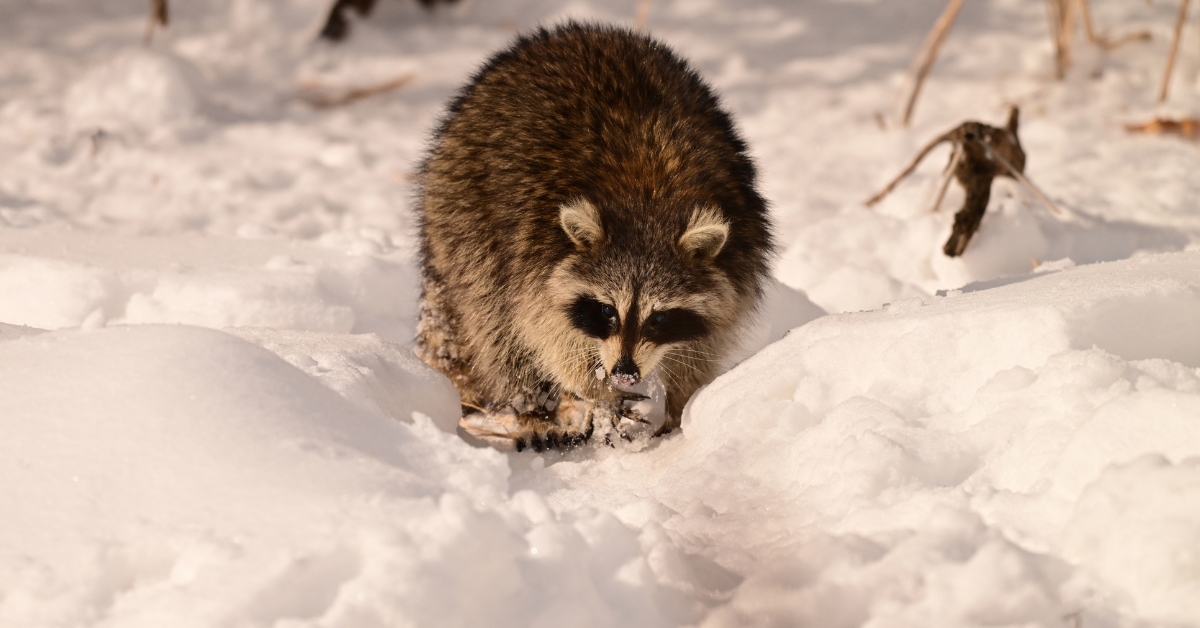
When temperatures drop, wildlife activity doesn’t stop—it simply shifts closer to homes. In Worcester, MA, animals like squirrels, raccoons, and other small wildlife often search for warm, sheltered spaces to wait out colder conditions. That can lead to unexpected activity around attics, garages, and exterior structures.
Understanding what to look for can help homeowners prevent small issues from becoming larger problems. For homeowners seeking pest control in Worcester, MA, early awareness is one of the most effective ways to reduce unwanted wildlife activity around the home.
If you notice signs of wildlife around your home or want help identifying potential entry points, you can reach out through our online form or call (774) 418-4908. Acting early can help reduce damage and limit access to vulnerable areas.
Why Wildlife Moves Closer to Homes
The need for shelter and food primarily drives wildlife. As natural resources become harder to access outdoors, homes offer warmth, protection, and stability.
Unlike rodents that may enter through very small gaps, wildlife often targets slightly larger openings—but these can still be easy to overlook.
Common reasons wildlife moves closer include:
- Reduced food availability outdoors
- Need for warm, enclosed shelter
- Safe nesting or resting areas
- Protection from predators and harsh conditions
Even well-maintained homes can become attractive if they have access points.
Common Wildlife Entry and Activity Areas
Wildlife tends to follow predictable patterns when approaching homes. Most activity begins outside before moving indoors.
Rooflines and attic vents
Roof edges, soffits, and vents are common entry points for squirrels and small animals. Once inside, attics provide warmth and insulation for nesting.
Chimneys and flues
Uncovered or unprotected chimneys can allow wildlife to enter and become trapped. Birds and small mammals often explore these areas.
Garages and sheds
These structures often provide easy shelter, especially if doors are left open or seals are worn. Stored items can also create nesting opportunities.
Decks and crawl spaces
Areas beneath decks or porches are often quiet and protected, making them appealing for shelter and movement.
Signs Wildlife May Be Nearby
Wildlife activity is not always obvious at first. Many signs appear gradually and are easy to miss until activity increases.
Look for:
- Scratching or thumping sounds in walls or ceilings
- Droppings or nesting materials in sheltered areas
- Damaged vents, shingles, or siding
- Frequent animal movement near rooflines or gutters
Even occasional sightings around the exterior of a home can indicate a nearby nesting area.
Why Early Attention Matters
Wildlife that gains access to a structure can cause damage over time. This may include insulation disturbance, chewed materials, or contamination in attics and crawl spaces.
Addressing entry points early helps reduce:
- Structural damage to roofing or siding
- Nesting inside insulation or wall spaces
- Repeated return visits from the same animals
A proactive inspection by a pest control provider in Worcester, MA can help identify vulnerabilities before wildlife becomes established inside a structure.
Simple Prevention Steps for Homeowners
While wildlife behavior cannot be fully controlled, homeowners can take steps to reduce the attraction and access to their property.
Helpful prevention measures include:
- Checking rooflines and vents for damage
- Keeping outdoor areas free of clutter or debris
- Securing garbage and food sources
- Inspecting sheds and garages regularly
- Sealing visible exterior gaps where possible
These steps help reduce opportunities for wildlife to settle close to the home.
Long-Term Wildlife Awareness
Wildlife patterns often repeat once a safe shelter is found. This makes prevention and exclusion especially important for long-term control.
Routine inspections can help homeowners stay ahead of seasonal shifts in activity and reduce the likelihood of repeated entry attempts.
For homeowners in Worcester, MA, working with Ford's Hometown Services can help identify risk areas and support ongoing protection strategies tailored to local wildlife behavior.
Contact Ford's Hometown Services
If you’ve noticed wildlife activity around your home or want to reduce the chances of animals entering structures, professional support can help.
Reach out to Ford's Hometown Services online or call (774) 418-4908 to schedule an inspection or learn more about available services.
Taking early action can help protect your home from unwanted wildlife activity and reduce the risk of structural damage.